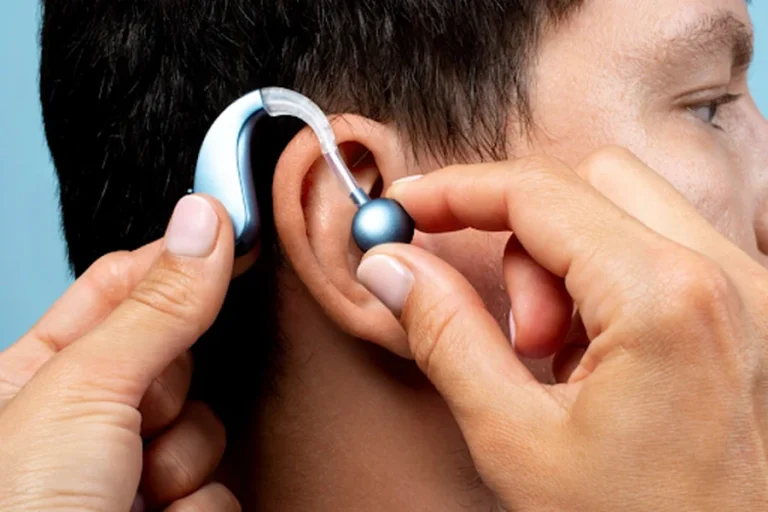

Hearing loss is a common condition that affects people of all ages, though it becomes more prevalent with age and prolonged exposure to noise. Difficulties in hearing can gradually impact communication, social interaction, emotional well-being, and overall quality of life. Modern hearing aid solutions have evolved significantly, offering discreet, effective, and highly personalised support for individuals experiencing different levels of hearing loss.
With advances in technology and professional care, hearing aid solutions today go beyond simple sound amplification. They are designed to restore confidence, improve everyday communication, and help users stay connected to their surroundings. Understanding how these solutions work and how to choose the right option is essential for achieving the best possible hearing outcomes.
Understanding Hearing Loss and Hearing Aid Solutions
Hearing loss refers to a partial or complete reduction in the ability to hear sounds in one or both ears. It may develop gradually due to ageing, prolonged exposure to loud noise, medical conditions, or injury. In some cases, hearing loss is present from birth or caused by infections that affect the inner ear.
Hearing aid solutions are specifically designed to address these challenges by amplifying and processing sound in a way that matches the user’s individual hearing profile. Rather than simply increasing volume, modern devices enhance clarity, balance background noise, and support speech recognition. This allows users to engage more comfortably in conversations, both in quiet settings and in more complex listening environments.
Types of Hearing Impairments
Hearing loss is typically classified into mild, moderate, severe, or profound categories. Mild hearing loss may cause difficulty hearing soft sounds or following conversations in noisy environments. Moderate hearing loss can make everyday speech harder to understand without assistance. Severe hearing loss significantly limits hearing ability, often requiring strong amplification, while profound hearing loss results in very limited or no perception of sound.
Accurately identifying the level of hearing impairment is a critical step in selecting appropriate hearing aid solutions. A professional hearing assessment ensures that the chosen device matches the individual’s specific needs, providing both comfort and effectiveness.
Advancements in Hearing Aid Technology
Technological progress has transformed hearing aid solutions over recent years. Digital processing now allows devices to analyse sound environments in real time, adjusting settings automatically to optimise clarity and comfort. This ensures a more natural listening experience throughout the day.
Noise reduction features help minimise background sounds while prioritising speech, making conversations easier to follow in busy environments. Feedback control technology reduces unwanted whistling or distortion, improving both sound quality and user confidence. Connectivity options have also become increasingly important, allowing hearing aids to pair seamlessly with everyday devices for enhanced listening convenience.
These advancements have made hearing aid solutions more adaptable, discreet, and effective than ever before, encouraging consistent use and better long-term outcomes.
Choosing the Right Hearing Aid Solution
Selecting the right hearing aid solution requires careful consideration of several factors. Understanding your level of hearing loss is essential, as different devices are designed to address different degrees of impairment. A professional assessment provides valuable insights into which solution will deliver the most benefit.
Lifestyle also plays an important role. Individuals who frequently socialise, attend meetings, or spend time in varied environments may require more advanced features to support changing listening conditions. Others may prioritise simplicity and comfort for everyday use.
Financial considerations are equally important. Hearing aid solutions are available across a wide range of price points, reflecting differences in technology, features, and support services. A balanced approach focuses on long-term value, ensuring that the chosen solution meets both hearing needs and budget expectations without compromising quality.
Professional Consultation and Hearing Tests
Professional consultation is a cornerstone of effective hearing aid solutions. Hearing tests conducted by qualified specialists assess hearing levels, speech understanding, and overall ear health. These results guide the selection and programming of hearing aids, ensuring they are tailored to the individual.
Ongoing professional support is equally important. Follow-up appointments allow for fine-tuning adjustments, helping users adapt comfortably to their devices and addressing any concerns that may arise. This personalised care significantly enhances satisfaction and long-term success.
Using Hearing Aids for the Best Experience
Adjusting to hearing aid solutions takes time and patience. New users often benefit from gradually increasing usage, allowing the brain to adapt to amplified sounds. Consistent daily wear supports this adjustment process and leads to more natural listening over time.
Regular maintenance is essential for maintaining performance and durability. Keeping devices clean, checking components, and following care recommendations help ensure reliable operation. Professional fitting and adjustments further enhance comfort, sound quality, and overall effectiveness.
The Importance of Regular Hearing Check-Ups
Regular hearing check-ups play a vital role in maintaining auditory health. Hearing levels can change over time, and periodic assessments help identify any shifts that may require adjustments to existing hearing aid solutions.
Routine reviews also ensure that devices continue to function optimally. Small changes in programming can make a significant difference in comfort and clarity, supporting long-term satisfaction. Proactive hearing care helps prevent further deterioration and promotes continued engagement with daily life.
Hearing Aid Solutions FAQs
What Is the Best Hearing Aid Solution Available?
The most effective hearing aid solution depends on individual hearing needs, lifestyle, and personal preferences. A professional assessment is the best way to identify the most suitable option.
Is Age a Factor in Getting Hearing Aids?
Hearing aids can benefit people of any age who experience hearing loss. There is no specific age requirement, as suitability depends on hearing ability rather than age alone.
Are There Alternatives to Hearing Aids?
Alternative options exist for specific hearing needs, but hearing aids remain the most common and effective solution for managing hearing loss in everyday situations.
How Often Should Hearing Aids Be Adjusted?
Hearing aids should be reviewed regularly, especially if changes in hearing are noticed. Periodic adjustments help ensure ongoing comfort and performance.
Conclusion
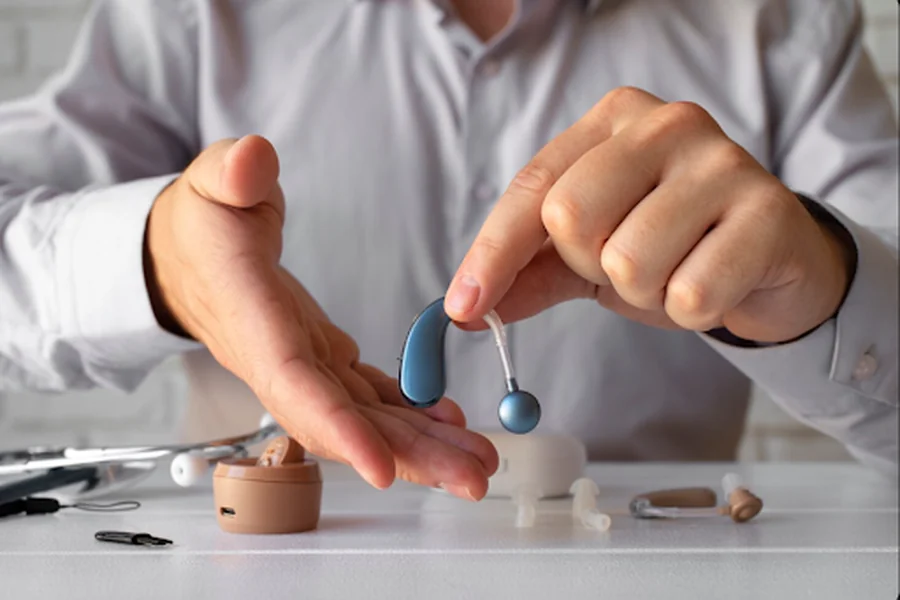
Hearing aid solutions play a crucial role in restoring clarity, confidence, and connection for individuals experiencing hearing loss. With modern technology, personalised fitting, and professional support, today’s hearing aids offer far more than basic amplification. They provide adaptable, effective assistance that enhances communication and overall quality of life.
By understanding hearing loss, seeking professional guidance, and choosing a solution that fits both lifestyle and needs, individuals can experience meaningful improvements in their daily lives. Investing in the right hearing aid solution is not just about hearing better but about living better with confidence and ease.