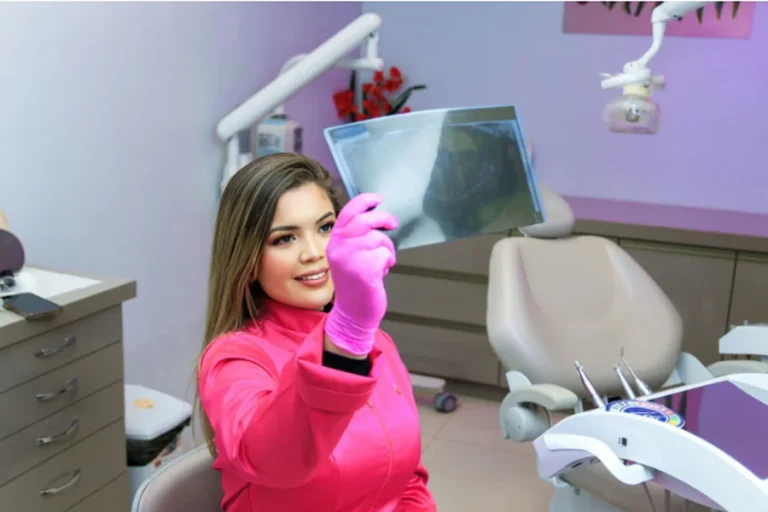

There are no successful dental prosthetics by accident. Dental prosthetics involve careful planning, proper communication, and collaboration between the patient and dentist in decision-making. Whether it involves crowns, bridges, dentures, or implants, effective planning can produce comfortable, strong, and, more importantly, aesthetically appealing dental prosthetics. These five tips guide an effective collaboration in decision-making to ensure successful dental prosthetics, whether you need a full-arch restoration or single tooth replacement.
Clarify Your Functional and Aesthetic Goals
With each prosthetic plan, there are ways in which it’s best to define success on an individual basis. Some people’s criteria may be efficiency in chewing, while others may want it to be an aesthetic match while talking or smiling. Habits, work, and other individual factors all play significant roles in these individual criteria. Be sure to discuss all concerns, whether related to dental history or other concerns. If individual criteria can be established from the outset, then it’s easier to correlate with any eventual success or failure.
Review Oral Health Conditions Thoroughly
A good foundation is essential to the success of all restorative work. Prior to prosthetic care, one needs to address ailments such as gum disease, decay, or balance concerns. These records may include radiographs, scans, and photographs of the bone quality or the condition of the soft tissue. This process is essential to provide the proper foundation for the prosthesis to ensure maximum effectiveness. This may add a little time to the treatment process, but it helps to eliminate potential problems or extend the life of the final prosthetic.
Choose the Right Implants and Materials
When implants are included as part of the plan, the selection of the appropriate systems is considered crucial. Factors such as bone density and distribution of restorative space are considered in the selection of appropriate implants. Moreover, the materials used have an effect on strength and aesthetics. For instance, you could consider high-quality All-on-X solutions for full-arch rehabilitation when stability and efficiency matter most. A detailed discussion about alternatives, advantages, and limitations helps ensure that the chosen approach matches clinical requirements and personal priorities.
Understand the Treatment Sequence and Timeline
Prosthetic care may be a series of events rather than a single event. Understanding what occurs first, next, and last can be beneficial to the patient in that it can be a source of comfort. Temporary restorations may fit in during the healing process or in the event of adjustments. Patients should be asked about their milestones and healing periods. Understanding the process can also be advantageous in patient compliance. Patients who comprehend what is occurring will comply better with the treatment and realize the importance of the overall treatment procedure.
Plan for Maintenance and Long-Term Care
A prosthetic restoration can be defined as an investment that requires maintenance with notable benefits; hence, various approaches can be discussed during consultations, such as daily hygiene and recall of follow-up visits, including the application of several preventive appliances, rather than waiting until after treatment. Consideration of wear, material, as well as natural oral changes, can significantly affect any restoration, leading to early resolution of problems before complications arise, hence achieving successful long-term outcomes, including an attractive appearance of the desired end-product.
In summary, the process of prosthetic planning is most effective as a joint effort based upon communication, education, and understanding. Goals, oral health, prosthetic choices, the timeline, and maintenance planning are all aspects of prosthetic dentistry that, with proper planning, will increase patient confidence. A thoughtful plan will provide patients with the assurance that not only is the prosthetic device natural, but it is reliable as well.