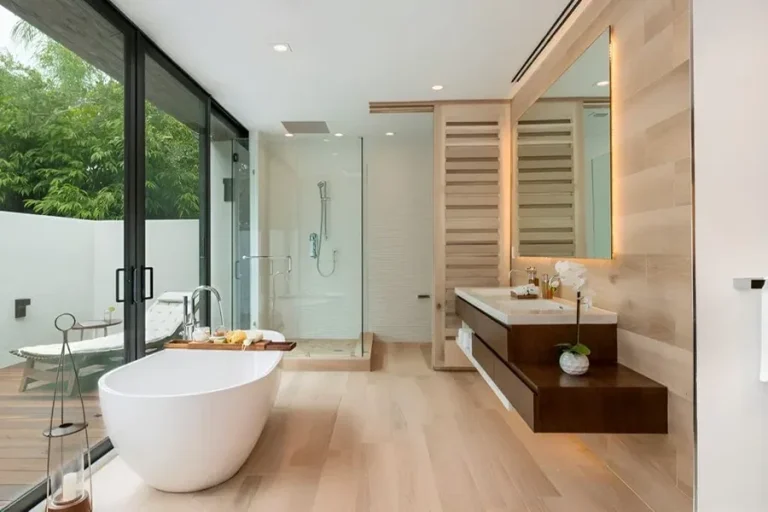

Bathrooms continue to evolve from purely functional spaces into serene retreats that reflect personal style, wellness priorities, and cutting-edge design. As we move through 2026, several distinct trends are reshaping how homeowners and designers approach bathroom spaces — blending comfort, sustainability, technology, aesthetics, and sensory experience in creative new ways. From spa-like sanctuaries to bold artistic statements, the bathrooms of 2026 are anything but ordinary.
1. Wellness-Driven Design: Bathrooms as Personal Retreats
In 2026, bathrooms are no longer just about hygiene — they are wellness zones. More homeowners are designing bathrooms that feel like spa getaways. Soothing materials, calming color palettes, and sensory elements like aromatherapy diffusers and sound systems are becoming essential features. Designers are focusing on creating a space that supports mental wellbeing, stress reduction, and restorative routines. A modern bidet toilet is also gaining popularity, combining advanced hygiene features with luxurious comfort, making daily routines more soothing and efficient.
Key elements include:
- Chromotherapy lighting — LED lighting systems with customizable color therapy modes to influence mood and energy.
- Integrated aroma diffusers — installations that release calming scents like lavender or eucalyptus during showers or bath soaking.
- Soft textures — plush towels, gentle textiles, and warm finishes that feel comforting to the touch.
This focus on wellness connects with broader lifestyle shifts toward self-care and balanced living, turning bathrooms into spaces for reflection and relaxation.
2. Sustainable and Eco-Conscious Materials
Sustainability is no longer a niche consideration — it’s central to bathroom design. In 2026, eco-friendly materials are trending not just for environmental reasons but also for their aesthetic appeal and durability.
Popular sustainable features include:
- Recycled and upcycled materials — tiles made from recycled glass, countertops crafted from reclaimed wood, and repurposed stone accents.
- Low-flow fixtures — sleek faucets and showerheads that conserve water without sacrificing pressure or performance.
- Non-toxic finishes — VOC-free paints and sealants that improve indoor air quality.
Consumers are more informed about environmental impact, and designers are responding with solutions that are both stylish and planet-friendly. Bathrooms are becoming showcases for responsible design.
3. Biophilic Design: Bringing Nature Indoors
Biophilic design continues to grow in popularity, emphasizing the connection between nature and human wellbeing. In 2026, bathrooms embrace natural elements that make the space feel alive.
Trend elements:
- Living greenery — plants that thrive in humid conditions, such as ferns and air plants, placed near windows or in hanging planters.
- Natural stone and wood finishes — organic textures that create a sense of warmth and tranquility.
- Large windows and skylights — maximizing natural light and views for a more soothing environment.
The effect of biophilic design is to blur the boundaries between the indoors and outdoors, creating a calming, refreshing atmosphere that appeals to the senses.
4. Integrated Smart Technology
Smart bathrooms are mainstream in 2026. Technology enhances convenience, personalization, and efficiency — all while blending seamlessly with design.
Emerging features include:
- Voice-activated lighting and music — control ambiance easily while keeping your hands free.
- Smart mirrors with built-in displays — weather updates, news summaries, or wellness tracking while you get ready.
- Automated temperature control — smart showers that remember your preferred water temperature and flow patterns.
Tech is becoming more intuitive and less intrusive, meaning gadgets are hidden within the design rather than standing out.
5. Statement Tiles and Artistic Walls
Tiles are no longer just practical surfaces — they’re focal points. Bold patterns, large formats, and artistic layouts are defining modern bathrooms.
Popular tile trends:
- Geometric and asymmetrical designs — creating visual depth and dynamic interest.
- Hand-painted and artisanal tiles — adding unique, handcrafted character.
- Textured surfaces with 3D effects — subtle relief that plays with light and shadow.
Walls are treated almost like canvases in 2026. Whether through vibrant patterns or tactile surfaces, the bathroom becomes a space of artistic expression.
6. Curves and Organic Shapes
Straight lines and rigid geometry are giving way to softer, more organic forms in bathroom design. Curves evoke comfort and fluidity, aligning with the wellness-driven focus of modern spaces.
Examples include:
- Oval and pebble-shaped bathtubs — inviting and sculptural.
- Curved vanities and counters — reducing harsh edges.
- Rounded mirrors and fixtures — lending visual warmth.
This trend softens the overall aesthetic and fosters a sense of flow and harmony.
7. Matte Black and Warm Metallic Finishes
In 2026, bathroom fixtures are bold and expressive. While chrome remains classic, designers increasingly choose matte black and warm metallic finishes to make a statement.
Trending finishes:
- Matte black faucets and hardware — sleek, modern, and striking against both light and dark backgrounds.
- Brushed brass and warm bronze — adding depth and luxury.
- Mixed metallic accents — combining different metal tones for eclectic, curated looks.
These finishes bring personality to functional elements, turning sinks, showerheads, and hardware into design features rather than afterthoughts.
8. Minimalism With Depth
Minimalism has matured. Instead of stark, clinical spaces, 2026’s minimalist bathrooms emphasize calm sophistication — clean lines balanced with texture, warmth, and subtle detail.
Key ideas:
- Hidden storage — vanities with integrated compartments to keep surfaces uncluttered.
- Neutral palettes with layered textures — soft greys, earthy tones, and natural materials that add dimension.
- Discreet lighting accents — indirect lighting that enhances architectural features without overpowering the space.
This approach is less about “empty space” and more about intentional simplicity that feels warm and liveable.
9. Freestanding Tubs as Centerpieces
Freestanding tubs are trending as focal elements in bathroom design for 2026. Rather than being tucked away, these bathtubs are showcased as sculptural elements that elevate the space aesthetically.
Why they’re popular:
- Design impact — creates a luxurious, spa-like feel.
- Versatility — available in various shapes, materials, and styles.
- Relaxation — encourages soaking and wellness routines.
Whether modern and minimalist or classic and ornate, freestanding tubs are a key way to personalize bathrooms.
10. Zoned Bathroom Layouts
Bathrooms are being rethought in terms of functional zones rather than single, uniform spaces. Zoned layouts maximize efficiency and elevate the user experience.
Typical zones include:
- Vanity zone — dedicated area for grooming, with tailored lighting.
- Soaking zone — tub or shower placed for privacy and comfort.
- Storage zone — organized cabinets and niches for easy access.
This approach is especially valuable in larger bathrooms or master suites, allowing simultaneous activities without conflict.
11. Sustainable Lighting and Daylight Optimization
Lighting design is more intentional in 2026. Rather than relying solely on artificial light, designers are optimizing natural light and using energy-efficient lighting systems to enhance wellness and ambiance.
Trends include:
- Skylights and clerestory windows — bringing daylight deeper into interior bathrooms.
- LED systems with tunable color temperatures — shifting from cool to warm tones depending on time of day.
- Solar tubes — channeling sunlight into interior spaces with no heat gain.
Good lighting not only improves function but also influences mood and the sense of space.
12. Personalization and Custom Detailing
Finally, customization is bigger than ever. Homeowners are rejecting cookie-cutter bathrooms in favor of spaces that reflect individuality.
Examples of personalization:
- Custom cabinetry and niche shelving tailored to lifestyle and habits.
- Unique hardware and pulls with artistic or thematic designs.
- Signature color accents that align with personal taste.
The goal is not just a beautiful bathroom, but one that feels uniquely yours.
Bathroom design in 2026 is defined by wellness, sustainability, personalization, and innovation. These emerging trends show a clear shift away from purely utilitarian spaces toward environments that nurture the senses, embrace natural elements, leverage smart technology, and celebrate thoughtful design.
Whether you’re renovating for resale value or creating your forever home, blending these trends with your personal style — from a bidet toilet to freestanding tubs and statement tiles — will keep your bathroom beautiful, functional, and ahead of the curve.