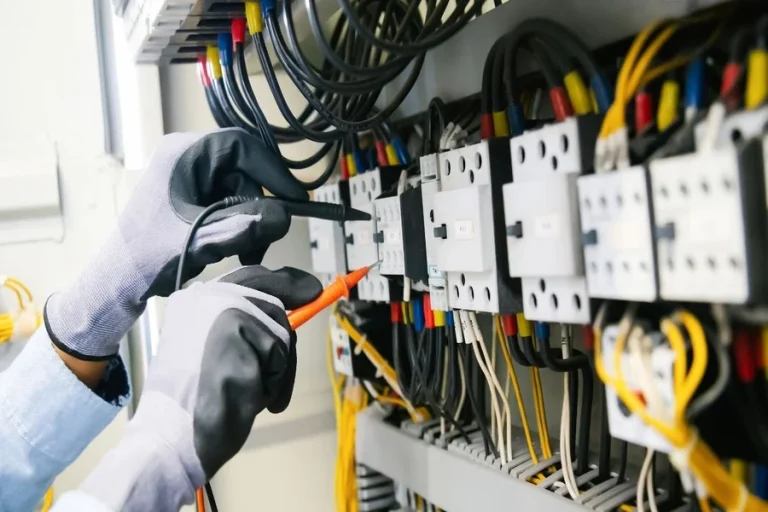

Electrical systems are essential for modern life, powering everything from lighting and appliances to heating and communication devices. However, even well-maintained electrical setups can experience issues. Understanding common electrical problems, their causes, and solutions can help homeowners, renters, and facility managers prevent hazards, reduce costs, and maintain comfort. This article explores the most frequent electrical issues and practical ways to address them.
1. Frequent Circuit Breaker Trips
Circuit breakers are safety devices designed to prevent electrical overloads and potential fires. A breaker that frequently trips indicates that a circuit is overloaded or that there may be a short circuit.
Causes:
- Overloaded circuits due to too many high-wattage devices running simultaneously.
- Faulty wiring or loose connections.
- Defective appliances drawing excessive current.
Solutions:
- Redistribute electrical loads by moving appliances to different circuits.
- Upgrade the circuit breaker or electrical panel if the current demand exceeds capacity.
- Inspect and repair faulty wiring, preferably by a licensed electrician.
2. Flickering or Dimming Lights
Lights that flicker or dim intermittently can be both annoying and a sign of deeper electrical problems.
Causes:
- Loose or faulty bulbs.
- Poor connections at switches or outlets.
- Overloaded circuits or voltage fluctuations.
- Aging electrical wiring.
Solutions:
- Ensure bulbs are screwed in tightly and replace faulty bulbs.
- Tighten or replace loose switches and outlets.
- Check for overloaded circuits and redistribute devices.
- Consult an electrician to inspect aging or damaged wiring.
3. Frequent Blown Fuses
Blown fuses are similar to tripped breakers and occur when a circuit experiences an excessive current flow.
Causes:
- Overloaded circuits.
- Short circuits caused by faulty wiring or appliances.
- Ground faults where current escapes to the earth.
Solutions:
- Replace the blown fuse with one of the correct rating.
- Identify and unplug faulty appliances.
- Reduce the number of devices on a single circuit.
- Hire an electrician to check for wiring issues or ground faults.
4. Electrical Shocks from Appliances or Outlets
Experiencing a mild shock from touching an appliance or outlet is a warning sign that cannot be ignored.
Causes:
- Faulty grounding in outlets.
- Damaged insulation on wires.
- Moisture in electrical devices or outlets.
Solutions:
- Ensure all outlets are properly grounded.
- Replace damaged appliances or cords.
- Install Ground Fault Circuit Interrupters (GFCIs) in moisture-prone areas like bathrooms and kitchens.
- Have an electrician inspect and repair wiring faults immediately.
5. Dead Outlets
Outlets that don’t supply power can disrupt daily routines and may indicate a more extensive electrical problem.
Causes:
- Tripped breakers or blown fuses.
- Loose or disconnected wiring inside the outlet.
- Worn-out outlets or internal damage.
Solutions:
- Reset the breaker or replace the fuse.
- Tighten connections or replace damaged outlets.
- Hire an electrician to investigate persistent dead outlets.
6. High Energy Bills
Sudden increases in electricity bills often point to hidden electrical issues.
Causes:
- Malfunctioning appliances consuming excessive power.
- Poor insulation or energy leaks through faulty wiring.
- Standby power usage from devices left plugged in.
Solutions:
- Conduct an energy audit to identify high-consumption devices.
- Replace old or inefficient appliances.
- Use smart plugs or power strips to eliminate standby power draw.
- Seal wiring or insulation leaks where possible.
7. Burning Smells or Sparks
A burning smell or visible sparks are clear indicators of serious electrical hazards that need immediate attention.
Causes:
- Overloaded circuits or outlets.
- Damaged or frayed wires.
- Faulty appliances or connectors.
Solutions:
- Turn off the power immediately in the affected area.
- Do not attempt to fix sparking wires yourself unless trained.
- Call a licensed electrician for emergency repairs.
- Replace damaged wiring, outlets, or appliances as needed.
8. Constantly Hot Outlets or Switches
Outlets and switches that feel warm to the touch may signal an overload or poor connection.
Causes:
- Overloaded circuits with too many devices.
- Loose or corroded wiring.
- Internal damage in the outlet or switch mechanism.
Solutions:
- Reduce the number of devices plugged into the circuit.
- Replace worn or damaged outlets and switches.
- Hire an electrician to check wiring and connections.
9. Tripping GFCI Outlets
Ground Fault Circuit Interrupter (GFCI) outlets are designed to protect against electric shock, but frequent tripping can be frustrating.
Causes:
- Faulty appliances drawing current to the ground.
- Moisture in outlets or wiring.
- Worn-out GFCI outlets.
Solutions:
- Unplug devices to identify the cause of tripping.
- Check for moisture or water leaks near the outlet.
- Replace defective GFCI outlets.
- Consult a professional for recurring issues.
10. Noisy Electrical Panels
Buzzing or humming from the electrical panel is usually a sign of electrical problems that require immediate attention.
Causes:
- Loose connections inside the panel.
- Overloaded breakers.
- Worn-out breakers or transformers.
Solutions:
- Turn off the main power and inspect the panel (or have a professional do it).
- Tighten loose connections.
- Replace faulty breakers or upgrade the panel if needed.
Preventative Measures
Many electrical issues can be avoided through preventative maintenance:
- Regular Inspections: Have a licensed electrician inspect your home’s electrical system every few years.
- Avoid Overloading Circuits: Spread high-power devices across multiple circuits.
- Use Surge Protectors: Protect sensitive electronics from voltage spikes.
- Upgrade Aging Systems: Replace old wiring and panels before problems arise.
- Install Safety Devices: Use GFCIs and Arc Fault Circuit Interrupters (AFCIs) where appropriate.
Conclusion
Electrical problems range from minor annoyances like flickering lights to severe hazards such as sparks or shocks. Recognizing common issues, understanding their causes, and implementing practical solutions are essential for safety, efficiency, and peace of mind. While some issues can be addressed by homeowners, many require professional intervention. Regular maintenance, careful usage, and timely repairs are the best ways to ensure a safe and reliable electrical system.
By staying informed and proactive, you can prevent costly repairs, reduce energy waste, and maintain a safe environment for your home or workplace.