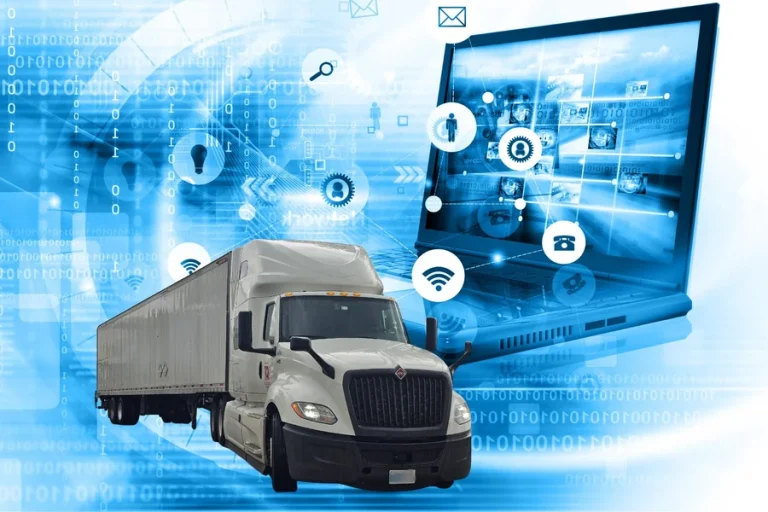

The trucking industry has always been the backbone of global trade, moving goods across cities, countries, and continents. But in recent years, it has been undergoing one of the biggest transformations in its history. Technology—especially artificial intelligence (AI), automation, connectivity, and data analytics—is reshaping how trucks are operated, how fleets are managed, and how goods are delivered. What used to be a highly manual, experience-driven industry is rapidly becoming a data-driven and highly optimized system.
Below is a detailed look at the key ways technology is changing trucking today and what it means for the future.
1. Smarter Fleet Management with Telematics and IoT
One of the most widely adopted technologies in trucking is telematics. These systems combine GPS, sensors, and onboard diagnostics to provide real-time data about trucks and drivers.
Fleet managers can now track:
- Vehicle location
- Speed and fuel consumption
- Engine health
- Driver behavior (like braking and acceleration)
This constant flow of information allows companies to make faster and better decisions. For example, if a truck is delayed due to traffic, managers can immediately reroute it to save time and fuel. This improves efficiency and reduces operational costs.
Telematics is often combined with the Internet of Things (IoT), where sensors on trucks, trailers, and cargo communicate with central systems. This creates a connected supply chain where everything is visible in real time.
2. Artificial Intelligence Optimizing Routes and Operations
AI is becoming a game-changer in trucking logistics. Instead of relying on human planning alone, companies now use AI systems to analyze massive amounts of data and make decisions in seconds.
AI helps in several key areas:
- Route optimization
- Load matching
- Demand forecasting
- Cost optimization
AI-powered route planning can significantly reduce fuel costs and improve delivery times. In many cases, AI supports dispatchers by giving them better insights rather than replacing them.
3. Predictive Maintenance: Fixing Problems Before They Happen
Traditionally, truck maintenance was reactive—something broke, then it was fixed. Now, technology allows predictive maintenance, which uses sensor data and AI to anticipate failures before they occur.
For example, systems can detect:
- Engine wear patterns
- Brake degradation
- Battery or electrical issues
This means trucks can be serviced before a breakdown happens on the road. The result is:
- Less downtime
- Lower repair costs
- Improved safety
Maintenance strategies are also evolving to include advanced truck detailing practices supported by data-driven scheduling, helping preserve both the mechanical performance and long-term condition of vehicles.
Some companies report that predictive maintenance can reduce emergency repairs by up to 40%.
4. Autonomous and Semi-Autonomous Trucks
Self-driving technology is one of the most talked-about innovations in trucking. While fully driverless trucks are still developing, semi-autonomous features are already widely used.
Modern trucks can now include:
- Lane-keeping assistance
- Adaptive cruise control
- Automatic emergency braking
These systems help reduce driver fatigue and improve safety, especially on long highway routes.
5. Route Optimization and Real-Time Decision Making
Modern trucking is no longer planned days in advance using static maps. Instead, real-time data is constantly influencing decisions.
AI systems consider:
- Traffic conditions
- Weather patterns
- Road closures
- Fuel prices
- Delivery deadlines
This allows fleets to adjust routes dynamically, improving reliability and reducing delays.
6. Warehouse Automation and Supply Chain Integration
Trucking is deeply connected to warehouse systems. Today, automation ensures smooth coordination between storage facilities and transportation.
For example:
- Robots manage inventory
- AI schedules loading times
- Sensors track goods across the supply chain
This reduces human error and speeds up logistics operations.
7. Increased Safety Through Driver Monitoring Systems
Safety technology is becoming standard in modern fleets.
Driver monitoring systems track:
- Alertness
- Distraction levels
- Driving behavior patterns
If risks are detected, alerts are issued immediately, reducing accident rates and improving road safety.
8. Digital Freight Platforms and Automation of Paperwork
Paper-based systems are rapidly disappearing. Digital freight platforms now handle much of the logistics process.
These platforms allow:
- Online load booking
- Real-time shipment tracking
- Automated invoicing
- Instant carrier matching
This makes the entire system faster and more efficient.
9. Sustainability and Electric Trucks
Environmental concerns are pushing the industry toward cleaner technologies.
Electric and hybrid trucks are becoming more common, supported by:
- Energy monitoring systems
- Smart charging infrastructure
- Route optimization for battery efficiency
These innovations help reduce emissions and fuel dependency.
10. The Future of Trucking: A Hybrid Human-Tech Industry
Despite rapid automation, trucking will not become fully driverless anytime soon. Instead, the industry is evolving into a hybrid model where humans and technology work together.
Drivers will increasingly rely on digital systems, while companies depend on AI and automation to optimize operations.
Conclusion
Technology is transforming the trucking industry at every level. From AI-powered logistics and predictive maintenance to autonomous systems and digital platforms, the industry is becoming more efficient, safer, and more connected.
The future of trucking is not just about machines replacing humans—it’s about smarter collaboration between technology and people to move the world more effectively than ever before.