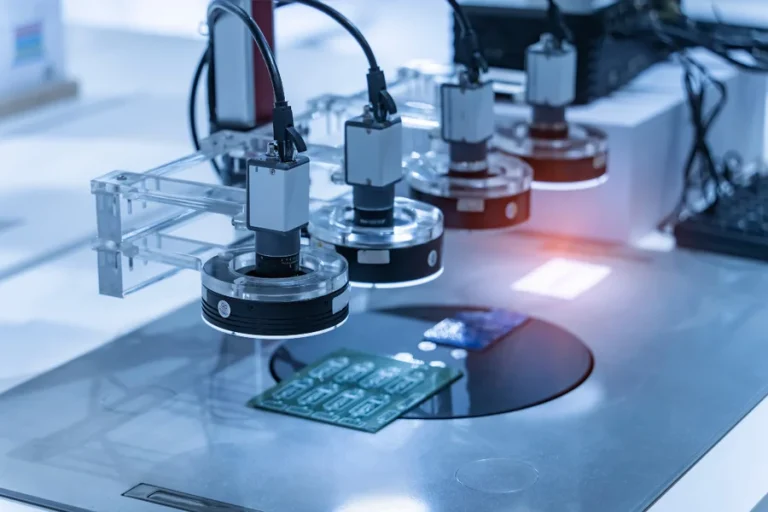

Manufacturers across automotive, FMCG, electronics, and packaging industries continue to face growing pressure to reduce defects, improve traceability, and maintain efficiency at higher production speeds. While manual inspection has long been the default quality method, it increasingly struggles with consistency, fatigue, and scalability. This is where modern turnkey machine vision systems have become a practical upgrade, enabling factories to introduce automation without replacing existing machines or re-engineering entire production lines.
Turnkey vision systems combine hardware, lighting, optics, and AI software into a single integrated unit. The result is a faster, more reliable, and more repeatable inspection process that works around existing factory constraints. This article explains how these solutions function, why they’re becoming mainstream, and how manufacturers can adopt them with minimal disruption.
What Makes a Machine Vision System “Turnkey”?
A turnkey inspection system is designed to work out of the box with minimal engineering on the client side. Instead of integrating multiple products from different vendors, manufacturers receive a fully assembled inspection station engineered for their specific use case.
A typical turnkey system includes:
- High-resolution industrial cameras
- Purpose-built lighting to highlight defects
- Optical filters and lenses
- Enclosures and mounts suited to the production line
- Software for image capture, classification, and analytics
- PLC connectivity for pass/fail decisions
- Dashboards for monitoring and reporting
The biggest advantage is consistency. Unlike manual inspection, which fluctuates based on shift changes or operator fatigue, a machine vision system applies the same logic and thresholds to every part that passes through the camera.
Why AI is Increasingly Central to Vision Inspection
Traditional rule-based inspection methods often struggle when parts vary in orientation, finish, or texture. AI overcomes these limitations through deep learning models that learn what “good” and “bad” products look like from examples rather than fixed rules.
AI-driven vision can handle:
- Micro-defects that are hard to define manually
- Variations caused by lighting, vibration, or surface texture
- Multiple defect types on the same product
- High-speed inspection without losing accuracy
Deep learning also allows systems to be updated quickly for new SKUs or product variants. This flexibility is particularly valuable in FMCG, electronics assembly, and automotive components, where product changes are frequent.
A Practical First Step
Most manufacturers begin with a pilot inspection station on a single line. After collecting data and validating accuracy, they extend the same vision logic to other workstations or plants. This phased approach lowers risk while helping teams understand how AI-enabled inspection fits into their existing workflows.
Turnkey systems become even more powerful when paired with a comprehensive machine vision inspection solution for manufacturing and logistics, enabling factories to unify quality data, streamline reporting, and maintain consistent inspection standards across the organization.
Conclusion
Turnkey machine vision systems offer manufacturers an effective path to improving quality and throughput without replacing existing equipment. With the help of AI, these systems deliver consistent inspection performance, deeper process insights, and scalable deployment across multiple production environments. As production speeds increase and tolerance levels tighten, machine vision will continue to play a central role in modern manufacturing.