

Wisdom teeth are the last set of molars that most people get. They often appear between the ages of seventeen and twenty-five, although timing can vary. Since they grow at the very back of the mouth, they may not have enough room, which can lead to impaction. Impacted teeth are partially or fully trapped under the gum or jawbone, causing discomfort and dental problems. Visiting a trusted clinic, such as the Family Dental Centre, ensures that patients receive professional evaluation and care for their wisdom teeth.
Understanding Wisdom Teeth
Wisdom teeth are the last set of molars that most people get. They often appear between the ages of seventeen and twenty-five, although timing can vary. Since they grow at the very back of the mouth, they may not have enough room, which can lead to impaction. Impacted teeth are partially or fully trapped under the gum or jawbone, causing discomfort and dental problems.
Complications from wisdom teeth can include overcrowding of nearby teeth, infections around partially erupted teeth, cyst formation in the jawbone, difficulty cleaning the teeth, leading to decay, and, in rare cases, nerve issues during extraction. Regular dental check-ups help identify these risks early and guide whether extraction is necessary.
Identifying the Need for Wisdom Tooth Surgery
Signs that wisdom tooth removal may be needed include persistent jaw pain, swelling in the gums, difficulty opening the mouth, or repeated infections in the area. Misalignment of adjacent teeth can also indicate the need for extraction.
Dentists typically use a combination of physical examination and X-rays to diagnose the situation. They assess pain levels, swelling, and overall oral health to determine if surgery is the best solution. This evaluation ensures that removal is done safely and effectively, preventing future complications.
Preparing for Wisdom Tooth Surgery
Proper preparation can help reduce anxiety and ensure a smoother procedure. A preoperative appointment is usually required, during which the dentist reviews your medical history, explains the procedure, and addresses any concerns. This visit may include taking X-rays or scans to understand the exact position of the wisdom teeth and to plan the extraction process accurately.
Preparation also involves arranging transportation if sedation or general anaesthesia will be used and ensuring someone is available to assist post-surgery. Patients should follow instructions regarding eating, drinking, or medications before the procedure to minimise risks and promote a successful surgery.
Undergoing Wisdom Tooth Surgery
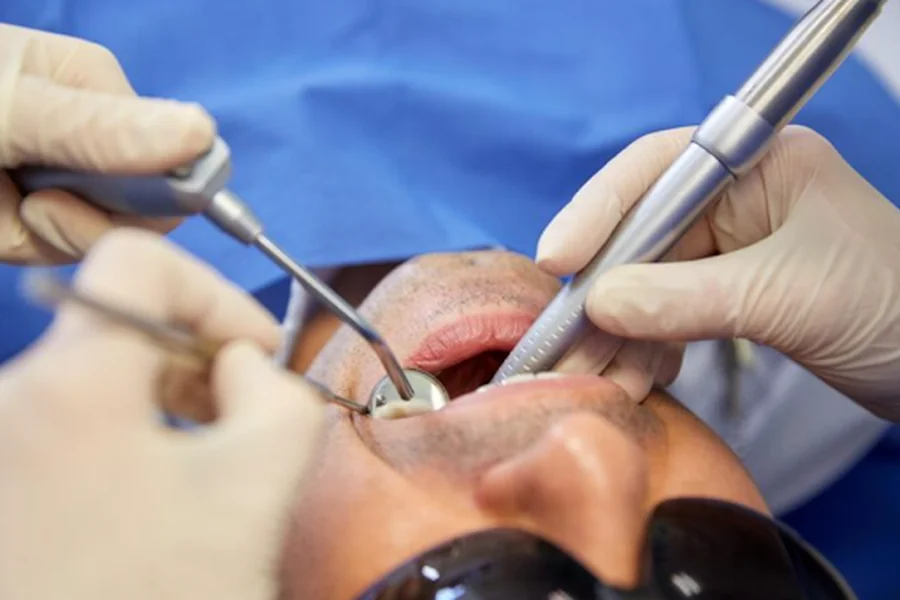
Wisdom tooth extraction begins with anaesthesia to numb the area or sedate the patient, depending on the complexity of the procedure and patient preference. Local anaesthesia is commonly used for minor extractions, while sedation or general anaesthesia may be applied for more complicated cases.
Once numb, the dentist or oral surgeon carefully removes the tooth. This may involve cutting the gum or bone to access the tooth, especially if it is impacted. After removal, the site is cleaned, and a blood clot forms in the socket to aid healing. Stitches may be used in some cases to support recovery.
Post-Surgery Care
Recovery after wisdom tooth surgery requires proper care to prevent complications. Swelling and soreness are common during the first few days. Applying ice packs and keeping the head elevated can help reduce inflammation. Pain management often includes prescribed medications or over-the-counter pain relievers as recommended by the dentist.
Eating soft foods, staying hydrated, and avoiding smoking or alcohol are important for proper healing. Physical activity should be limited to allow the body to recover fully. Following instructions for cleaning the extraction site helps prevent infection and ensures the blood clot remains intact, avoiding dry socket.
Managing Pain and Discomfort
Swelling and discomfort are normal after surgery, but they can be managed effectively. Ice packs, gentle rinsing with salt water after the first 24 hours, and avoiding hard or chewy foods help reduce irritation. Prescription medications should be taken as directed, and any concerns or unusual symptoms should be reported to the dentist promptly.
Home care is equally important. Rest, good nutrition, and gentle oral hygiene practices support faster healing. Maintaining oral care without disturbing the extraction site encourages smooth recovery and minimizes the risk of complications.
Potential Complications and Their Management
While most wisdom tooth extractions are straightforward, complications can occur. Common issues include infection, prolonged pain, swelling, dry socket, or bleeding. Early recognition and prompt action are essential for effective management.
Seek medical attention if severe pain persists, swelling increases, or unusual symptoms appear. Dentists can provide treatments such as antibiotics, pain management, or additional cleaning to resolve complications. Following post-surgery instructions carefully reduces the likelihood of problems and promotes better outcomes.
Recovery Timeline
Initial healing usually takes three to seven days, with most swelling and discomfort peaking around day three. Full recovery, including bone and gum tissue healing, may take several weeks. Individual recovery times can vary depending on age, health, and the complexity of the extraction. Patients should follow up with their dentist to monitor progress and ensure complete healing.
Frequently Asked Questions
Many people have questions about wisdom tooth surgery. Recovery typically lasts a few days for the initial healing phase, although complete tissue recovery takes longer. Pain levels vary among patients, but proper anaesthesia and post-surgery care minimise discomfort.
Some patients notice day three as the most uncomfortable due to swelling and the wearing off of anaesthesia. Wisdom tooth removal can be a significant procedure, especially if the teeth are impacted, requiring careful surgical intervention. Despite this, most patients recover without major issues when following proper aftercare.
Conclusion
Wisdom tooth surgery is often necessary to prevent pain, infections, and dental complications caused by overcrowded or impacted molars. Understanding the process, preparation, and recovery steps can reduce anxiety and make the procedure more manageable. Proper post-surgery care, regular dental check-ups, and attention to oral hygiene help ensure a smooth recovery and long-term dental health. By staying informed and following professional guidance, patients can approach wisdom tooth extraction confidently and maintain a healthy smile.