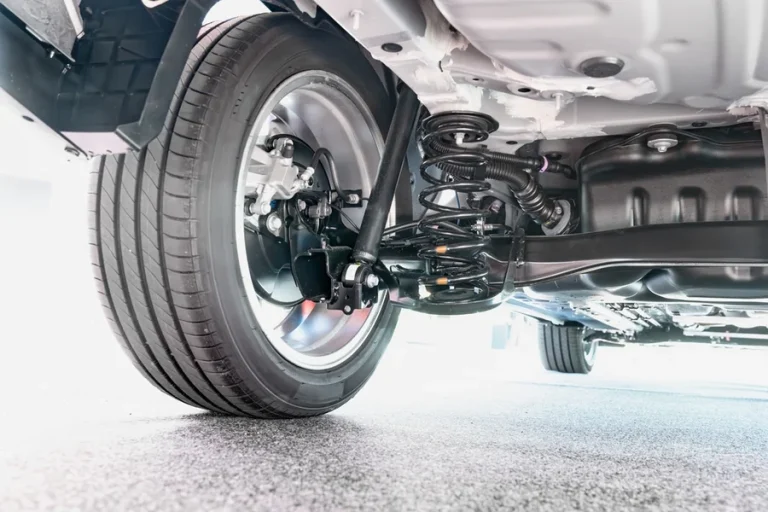

The chassis suspension is one of the most critical components in any vehicle, directly affecting comfort, handling, stability, and safety. While often overlooked by casual drivers, the suspension system is what bridges the gap between the tires and the vehicle frame, allowing a car, truck, or SUV to handle bumps, curves, and road imperfections smoothly. A robust chassis suspension is essential for ensuring that vehicles maintain optimal contact with the road while providing a comfortable ride for passengers. Understanding the mechanics, types, and innovations in chassis suspension can give insight into why vehicles behave the way they do and how engineers optimize performance.
What Is Chassis Suspension?
The term “chassis suspension” refers to the system of springs, dampers, linkages, and other components that connect a vehicle’s chassis (the main structural frame) to its wheels. Its main functions are:
- Absorbing shocks: By mitigating the impact of road irregularities, suspension protects the vehicle’s occupants and cargo.
- Maintaining tire contact: Suspension ensures the tires remain in contact with the road surface for optimal traction.
- Controlling vehicle dynamics: It helps in steering, braking, and cornering stability.
- Supporting vehicle weight: Suspension distributes weight across the wheels to prevent excessive stress on any single part.
Without an effective suspension system, even a powerful engine and precise steering would fail to ensure safe or comfortable driving.
Components of a Chassis Suspension System
A vehicle’s suspension system consists of multiple interconnected components. Each plays a specific role:
1. Springs
Springs bear the weight of the vehicle and absorb energy from road impacts. There are several types:
- Coil springs: Common in modern cars, these helical springs are compact and efficient at absorbing shocks.
- Leaf springs: Traditional in trucks and heavy-duty vehicles, they consist of stacked metal strips and are known for strength and load-bearing capability.
- Torsion bars: A type of spring that resists twisting, often used in trucks and SUVs to save space and allow easy height adjustment.
- Air springs: Found in luxury or high-end vehicles, these use compressed air to provide adjustable suspension stiffness.
2. Shock Absorbers (Dampers)
Shock absorbers, often called dampers, control the rebound of springs. Without them, the vehicle would bounce uncontrollably after hitting bumps. They use hydraulic fluid or gas to dissipate kinetic energy, converting it into heat.
3. Linkages and Control Arms
These are the mechanical arms connecting the wheel hubs to the chassis. They control wheel motion and maintain proper alignment, allowing the wheels to move vertically without excessive lateral movement. Examples include A-arms, trailing arms, and multi-link setups.
4. Anti-Roll Bars
Anti-roll bars, or sway bars, connect opposite wheels to reduce body roll during cornering. By distributing the load more evenly, they improve handling and prevent excessive lean, which enhances safety.
5. Bushings and Mounts
Bushings, often made of rubber or polyurethane, cushion the connection points between components, reducing vibration and noise while allowing controlled flexibility.
Types of Chassis Suspension Systems
Vehicle designers choose suspension types based on the balance between comfort, handling, and cost. The two main categories are dependent and independent suspension systems.
1. Dependent Suspension
In a dependent suspension system, the wheels on the same axle are mechanically connected. The movement of one wheel affects the other. Common designs include:
- Solid axle: Often found in trucks, SUVs, and older cars, solid axles are durable and can handle heavy loads but provide less comfort.
- Leaf spring setup: This design is robust, ideal for carrying heavy cargo, and relatively simple to maintain.
Advantages: Strong, simple, cost-effective.
Disadvantages: Reduced ride comfort and handling precision, especially on uneven surfaces.
2. Independent Suspension
Independent suspension allows each wheel to move independently of the others. This design improves ride quality, handling, and tire contact with the road. Common types include:
- MacPherson strut: Widely used in front-wheel-drive cars, it combines a coil spring and damper into one compact unit.
- Double wishbone: Often found in sports and luxury cars, this setup uses two control arms per wheel for precise handling.
- Multi-link: A complex system that uses multiple arms for superior control, balancing comfort and performance.
Advantages: Smooth ride, precise handling, better traction.
Disadvantages: More complex and costly to manufacture and repair.
3. Semi-Independent Suspension
Semi-independent systems, such as torsion-beam rear suspensions, fall between dependent and independent designs. They offer moderate comfort and handling improvements at a lower cost.
Suspension Geometry and Dynamics
Beyond components, the geometry of a suspension system profoundly affects vehicle dynamics. Key parameters include:
- Camber: The tilt of the wheels relative to vertical. Negative camber improves cornering grip, while positive camber can improve straight-line stability.
- Caster: The angle of the steering pivot. Proper caster enhances steering stability and self-centering.
- Toe: The direction the wheels point relative to the vehicle’s centerline. Correct toe alignment prevents uneven tire wear and improves cornering.
Suspension geometry must be carefully calibrated for a vehicle’s intended use. Sports cars favor sharp handling and responsive feedback, while off-road vehicles prioritize travel and load distribution.
Advanced Suspension Technologies
Modern vehicles integrate advanced suspension technologies to further enhance comfort, safety, and performance:
1. Adaptive and Active Suspension
Adaptive suspension automatically adjusts damping rates in response to road conditions and driving style. Active suspension goes a step further, actively controlling wheel movement using sensors and actuators to minimize body roll, pitch, and dive during braking and acceleration.
2. Air Suspension
Air suspension uses air-filled bellows instead of conventional springs. It allows ride height adjustment, load leveling, and improved comfort. High-end vehicles and buses often use air suspension to provide smooth rides and variable ground clearance.
3. Magnetic Ride Control
Some luxury and performance vehicles use magnetorheological fluids inside dampers. By applying a magnetic field, the viscosity of the fluid changes instantly, allowing ultra-fast adjustments to suspension stiffness for optimal handling and comfort.
The Role of Suspension in Safety and Performance
A well-engineered suspension system directly affects:
- Braking stability: Proper weight transfer prevents nose-diving and maintains tire contact.
- Cornering performance: Anti-roll and independent systems reduce body roll and improve traction.
- Occupant comfort: Effective shock absorption ensures smooth rides over rough terrain.
- Load management: Especially in trucks and SUVs, suspension distributes weight evenly to prevent instability.
In motorsports, suspension tuning is as critical as engine performance. Engineers adjust spring rates, damping, and geometry to suit track conditions and driver preference. Even slight changes in suspension setup can drastically affect lap times and tire longevity.
Maintenance and Common Issues
Suspension components endure constant stress, so proper maintenance is crucial. Common signs of wear include:
- Uneven tire wear: Indicates misalignment or worn bushings.
- Excessive bouncing or sway: Suggests failing shocks or springs.
- Noises: Clunks or squeaks often point to worn bushings, ball joints, or mounts.
- Handling problems: Pulling to one side or instability during cornering indicates misalignment or damaged components.
Routine inspections, alignment checks, and timely replacement of worn parts ensure safety, comfort, and vehicle longevity.
Conclusion
The chassis suspension is far more than a set of springs and shock absorbers—it is the backbone of vehicle performance, comfort, and safety. From basic leaf springs in heavy-duty trucks to advanced active and magnetic systems in modern luxury and sports cars, suspension engineering has evolved to meet the diverse demands of modern driving. A deep understanding of suspension principles not only allows engineers to create better vehicles but also helps drivers appreciate how critical this system is to every journey.
Proper maintenance, understanding system limitations, and recognizing early warning signs can prevent costly repairs and ensure the vehicle performs optimally, whether navigating city streets, country roads, or challenging off-road terrain.