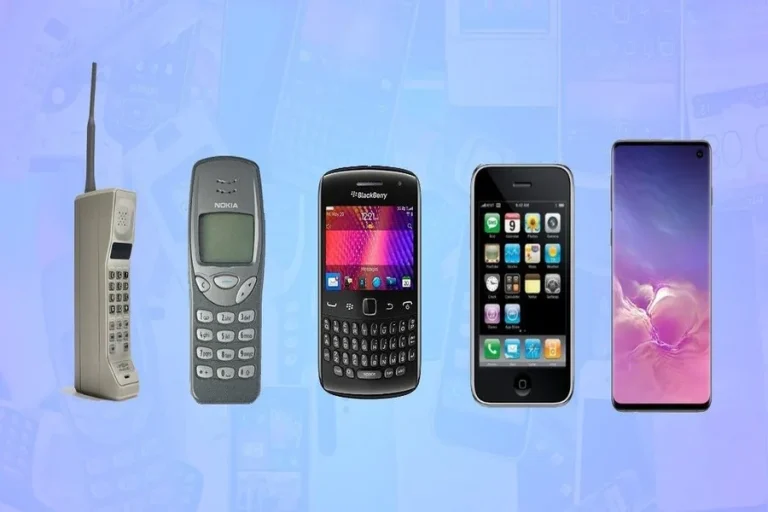

The Transformation of Mobile Devices
The evolution of mobile technology in the last decade has been nothing short of remarkable. Ten years ago, smartphones were already popular, but their capabilities were limited compared to today’s devices. Over the past decade, mobile technology has grown to become faster, smarter, and more integrated into daily life. People now rely on their phones for work, entertainment, communication, and even health tracking.
Mobile devices have become smaller, lighter, and more powerful. The introduction of high-resolution screens, faster processors, and longer battery life has enhanced user experiences. Phones are no longer just communication tools; they have become portable computers that fit in the palm of a hand. This transformation has allowed people to do things on their mobile devices that were once only possible on desktop computers.
The growth of mobile technology has also influenced how people connect with each other. Social media, instant messaging, and video calls are now central to daily communication, thanks to more advanced mobile devices and faster networks. Tech enthusiasts frequently browse techpora.
Advancements in Mobile Connectivity
One of the most significant developments in the last decade has been the advancement in mobile connectivity. The transition from 3G to 4G, and now the early stages of 5G, has transformed how people access information and interact online. Faster internet speeds and reduced latency have enabled real-time communication, streaming, and gaming experiences.
4G networks allowed for high-quality video streaming, video conferencing, and mobile commerce to flourish. People could watch movies, attend virtual meetings, and shop online without frustrating delays. Now, the expansion of 5G is taking this further, offering even faster speeds, more reliable connections, and the ability to connect more devices simultaneously.
Improved connectivity has also driven the growth of mobile apps and services. From cloud storage to ride-sharing apps, better networks allow users to access services anytime and anywhere, making mobile devices an indispensable part of modern life.
The Rise of Mobile Applications
Mobile applications have played a major role in shaping the evolution of mobile technology. In the past decade, the number and variety of apps available have exploded. Applications now cover almost every aspect of life, including health, finance, education, social interaction, and entertainment.
App stores have become central hubs for innovation. Companies of all sizes can develop apps that reach global audiences instantly. Some apps have even become essential tools for daily living, such as navigation, payment systems, and social networking platforms.
The rise of mobile apps has also changed how businesses operate. Companies can connect with customers directly, offer services more efficiently, and gather valuable data to improve their offerings. This app-driven ecosystem has made smartphones far more powerful and versatile than ever before.
Impact on Communication and Social Interaction
Mobile technology has revolutionized the way people communicate. Ten years ago, texting and phone calls were dominant, but now instant messaging, social media, and video calls are standard. Platforms such as WhatsApp, Instagram, and TikTok have created new ways for people to connect and share experiences.
Real-time communication has become the norm. Users can send messages, share media, and interact with others instantly, regardless of location. Video calls allow families, friends, and colleagues to see each other even when they are far apart, making communication more personal and engaging.
The influence of mobile technology on social interaction goes beyond just messaging. Social media apps allow users to express themselves, connect with communities, and participate in global conversations. This has created a more interconnected world where information spreads faster than ever before.
Mobile Technology in Work and Productivity
The evolution of mobile technology has also had a major impact on work and productivity. Smartphones and tablets allow people to work from anywhere, breaking the traditional boundaries of office spaces. Remote work, cloud-based collaboration, and mobile productivity tools have all become more accessible thanks to advanced mobile technology.
Applications for project management, document sharing, and virtual meetings have enabled teams to collaborate in real time. Email, chat platforms, and video conferencing tools make it possible to stay connected with colleagues around the globe. This has transformed workplace dynamics, giving employees more flexibility and businesses more agility.
Mobile technology has also led to the rise of the gig economy. Freelancers and remote workers can access job opportunities, communicate with clients, and complete work using only a mobile device, further changing the way people work.
Innovations in Mobile Hardware and Features
Hardware advancements have driven much of the evolution of mobile technology. Smartphones now feature larger, higher-quality screens, advanced cameras, biometric security, and long-lasting batteries. Features such as facial recognition, fingerprint sensors, and AI-powered assistants have made devices smarter and more secure.
Camera technology has seen a particularly dramatic transformation. High-resolution lenses, multiple sensors, and AI-powered photography tools have turned smartphones into powerful imaging devices. Users can capture professional-quality photos and videos without needing separate equipment.
Other innovations, such as wireless charging, foldable screens, and enhanced audio systems, have also improved the overall user experience. Mobile devices have become more durable, versatile, and capable of supporting new applications and technologies.
The Future of Mobile Technology
Looking ahead, the evolution of mobile technology will continue to shape how people live and work. 5G networks will become more widespread, enabling new applications such as augmented reality, virtual reality, and AI-driven services. Mobile devices will continue to integrate with other connected technologies, creating smarter homes, cities, and workplaces.
Artificial intelligence will make devices more intuitive, learning from user behavior to provide personalized experiences. Mobile health technologies will expand, allowing users to monitor wellness, track fitness, and manage medical conditions remotely.
The evolution of mobile technology is far from complete. As devices become more powerful and connectivity improves, the potential for innovation will only grow. People will rely on their mobile devices for an even wider range of tasks, making them central to everyday life.
Final Thought
The evolution of mobile technology in the last decade has transformed the way people communicate, work, and interact with the world. From faster networks and smarter apps to advanced hardware and improved connectivity, mobile devices have become essential tools in modern life.
While the changes of the past decade have been remarkable, the future promises even more innovation. The ongoing development of 5G, AI integration, and smart devices will continue to enhance mobility, productivity, and connectivity.
Understanding and embracing these changes will allow individuals and businesses to make the most of mobile technology, ensuring that they stay connected and competitive in an increasingly digital world.
FAQs
What has changed in mobile technology over the last decade?
Mobile technology has improved in speed, connectivity, apps, hardware features, and overall integration into daily life.
How has 5G impacted mobile communication?
5G has enabled faster data transfer, lower latency, real-time communication, and support for more connected devices.
What role do mobile apps play today?
Mobile apps enhance productivity, entertainment, social interaction, and business operations, making smartphones more versatile.
How has mobile technology affected work?
Mobile technology supports remote work, cloud collaboration, real-time communication, and access to global job opportunities.
What are some major hardware innovations in smartphones?
Major innovations include high-resolution cameras, AI-powered assistants, biometric security, foldable screens, and longer battery life.
What is the future of mobile technology?
The future includes widespread 5G, AI integration, augmented reality, virtual reality, and more connected and intelligent devices.