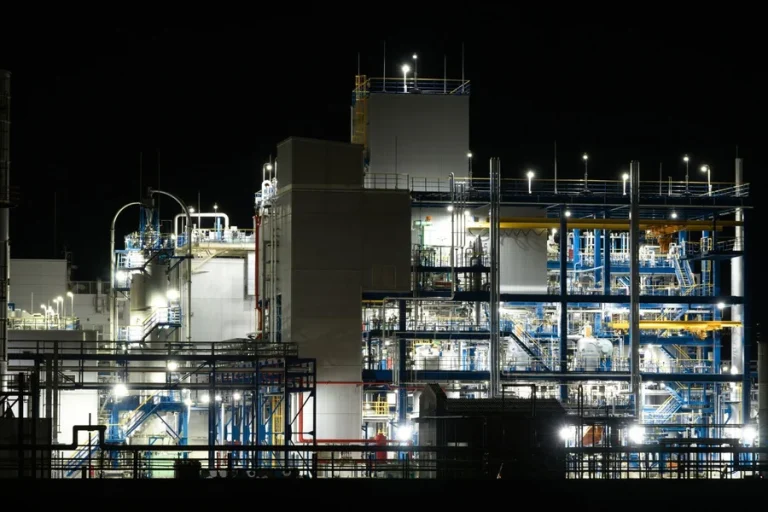

The chemical industry is one of the most dangerous industries because it involves the handling of volatile chemicals, high-pressure equipment, and complicated processes. In this industry, even the smallest mistakes can cause major problems. For organizations in this industry, safety is not just about compliance; it’s about saving lives, assets, and businesses. With the help of effective and creative strategies, organizations in this industry can minimize potential hazards while instilling a culture of responsibility and consciousness.
Strengthen Safety Training Programs
A well-informed workforce is the first line of defense against any untoward incident. It is imperative to train workers regularly, keeping in mind all the latest updates and advancements. Organizations should consider simulations, drills, and scenarios instead of purely theoretical knowledge. This will improve knowledge retention and prepare workers for any unexpected circumstances.
Communication is another key factor to consider. Employees should be able to understand symbols, emergency procedures, and reporting procedures without any ambiguity. If leaders themselves take an active role in such safety programs, it will emphasize the importance of these activities at all levels.
Prioritize Equipment Maintenance and Monitoring
Machinery failure is considered one of the key causes of accidents in chemical plants. The regularity of inspection helps in the early detection of wear and tear in the machines. Preventive maintenance must be carried out on critical machines such as pumps, pipes, and pressure vessels.
Today, advanced technologies enable companies to be proactive in dealing with the issue. Many organizations choose to invest in remote vibration monitoring services to identify irregular patterns in equipment performance early. This helps in taking early action to prevent machine failure. Regular maintenance not only extends the life of the machines but also ensures the safety of the workers who use the machines daily.
Improve Hazard Identification and Risk Assessment
The understanding of the possible dangers will, therefore, be instrumental in the minimization of the risks. Risk assessment will involve the thorough evaluation of all the processes in the facility, from the raw materials to the end products. This will also involve the understanding of the chemical reactions that might take place.
This might be achieved by using structured approaches such as hazard and operability studies (HAZOP) and job safety analysis (JSA). These approaches will give a deeper understanding of the possible failures. After the risks have been identified, the necessary control measures will be put in place.
Secure Your Workforce with Protective Measures
In addition to the above-mentioned aspects, the employees need to be protected with the required personal protective equipment (PPE), which should be accessible and used by the employees. The PPE includes gloves, respirators, face shields, and clothing.
Another aspect is the need to create an environment where the employees feel comfortable reporting their concerns. This will help in the early identification of hazards that might not be recognized otherwise. The health monitoring programs will help in the early identification of the effects of the chemicals, which will assist in the early intervention of the hazards.
Establish Strong Emergency Preparedness Plans
Even in the face of precautions, emergencies can happen. A good response plan is important because it enables a prompt response in case of an emergency. Facilities need to have procedures in place in case of emergencies like chemical spills, fires, or gas leaks.
Drills can be helpful in ensuring that everyone is able to act their part in case of an emergency. Emergency response equipment, like fire extinguishers, must always be available. Cooperation with relevant authorities can help ensure an effective response in case of large-scale emergencies.
In conclusion, work safety in the chemical industry requires not only a proactive approach but also a holistic one. From training to the monitoring of equipment, every measure counts. Ensuring the security of the workforce and responding to crises adds to the strength of the operations. When the organization incorporates work safety in every dimension, not only is the workforce protected, but the future itself becomes sustainable.